
Porcelain Enamel vs Stainless Steel Outdoor Kitchens: Which Is Better?
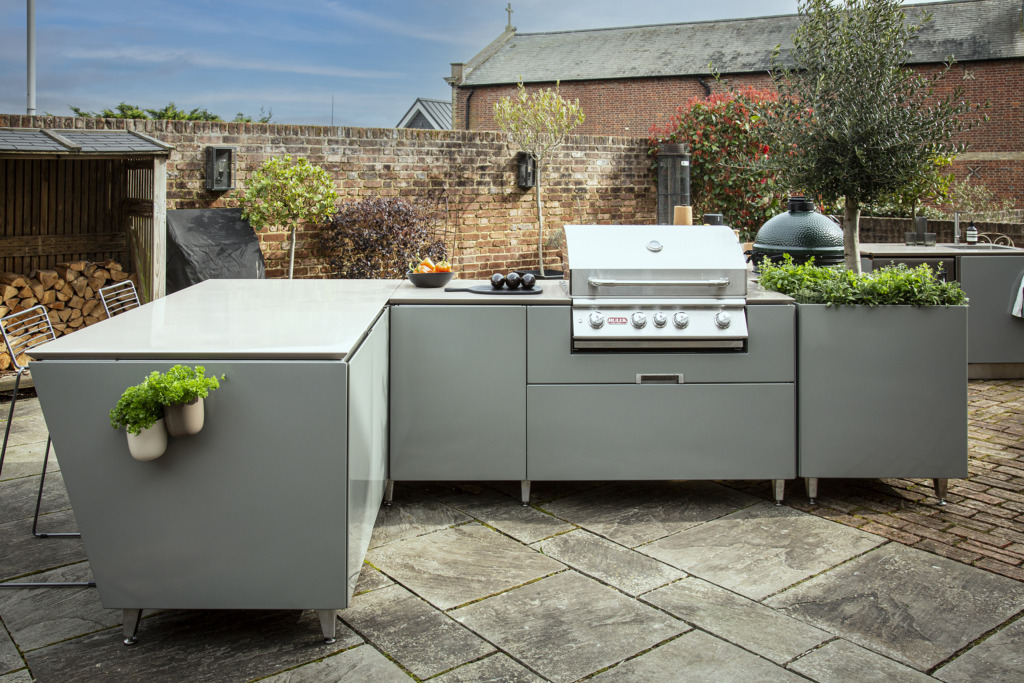
Porcelain enamel and stainless steel are two of the most widely used materials in outdoor kitchens, yet they differ significantly in durability, maintenance and long-term performance.
At VLAZE, we combine both materials to maximise their strengths: stainless steel for the internal carcass and porcelain enamel for the exterior surfaces. In our view, this delivers the ideal balance of durability, practicality and weather resistance. The porcelain enamel exterior is fully weatherproof and highly resilient, while the stainless steel framework provides strength and longevity for internal storage and structural components.
Stainless steel is well known for its contemporary appearance and initial resistance to corrosion, making it a popular choice for outdoor appliances and cabinetry. However, in the UK and other seasonal climates, exposed stainless steel can develop “tea staining” – a form of surface corrosion caused by prolonged exposure to moisture and airborne salts. Over time, this can affect both the appearance and lifespan of the material.
Porcelain enamel, by contrast, is created by fusing glass to steel at extremely high temperatures. This process forms a smooth, non-porous surface that is highly resistant to rust, staining and UV damage. Unlike painted or coated finishes, porcelain enamel does not deteriorate, peel or fade over time.
The differences between the two materials become particularly apparent in day-to-day use. Porcelain enamel requires very little maintenance, offers superior resistance to corrosion and retains its appearance for years. Stainless steel remains durable, but it typically requires more regular cleaning and care to prevent discolouration and maintain its finish.
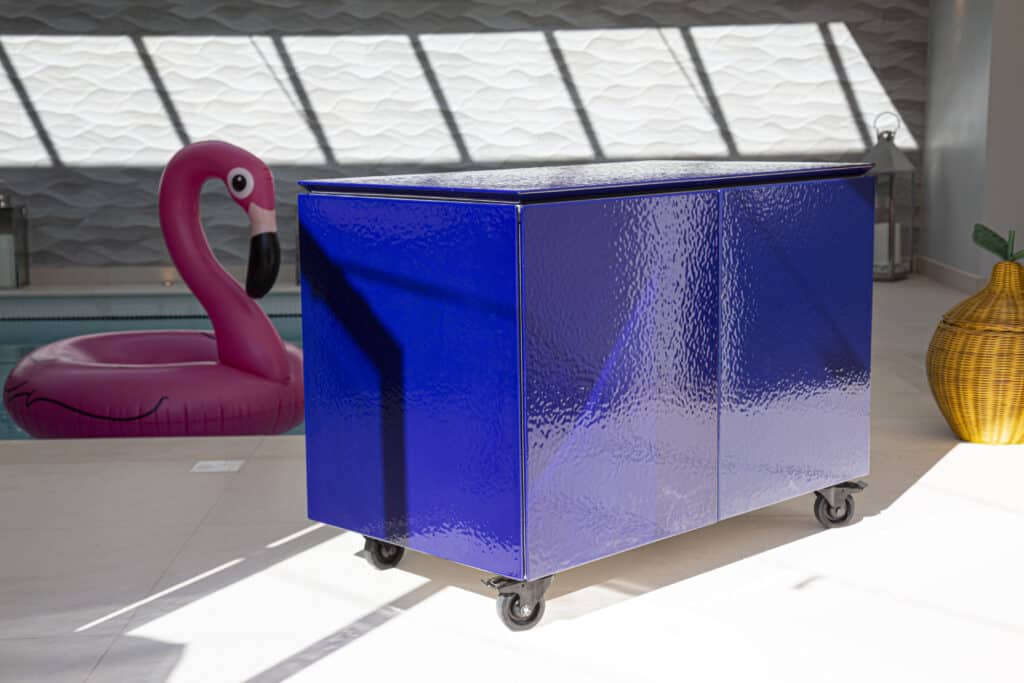
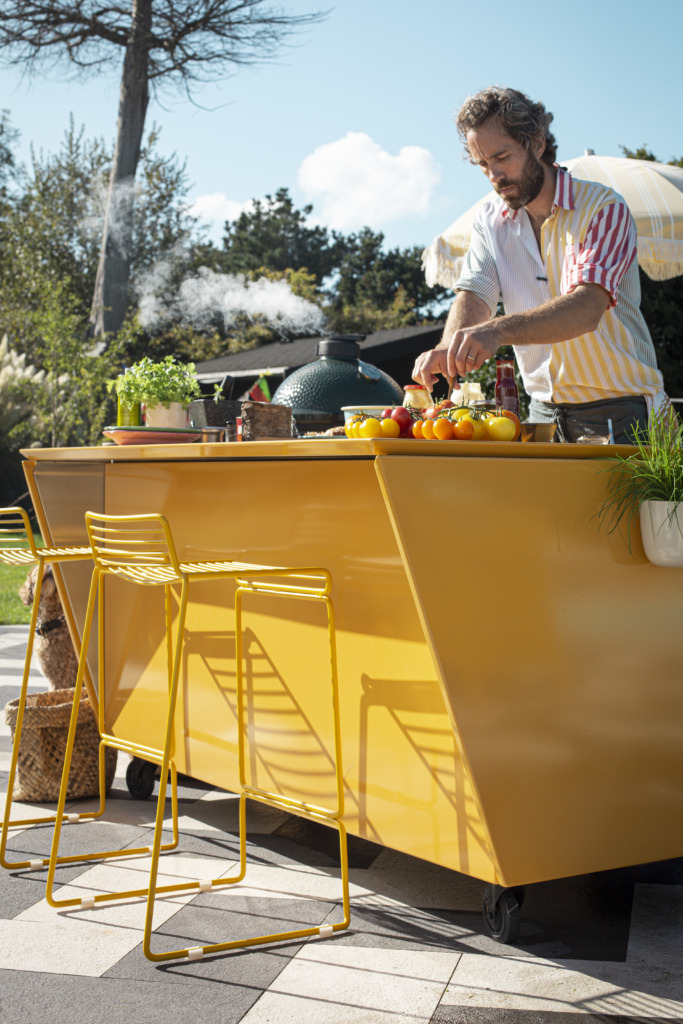
From a design perspective, porcelain enamel also delivers a richer, more refined aesthetic. Its depth of finish is often associated with premium architectural products and can elevate the
overall appearance of an outdoor kitchen. Stainless steel, while sleek and functional, tends to create a more industrial look that may not age as elegantly in exposed outdoor environments.
Ultimately, the right material depends on your priorities. For those seeking a low-maintenance, long-lasting outdoor kitchen with a premium finish, porcelain enamel is often the superior choice. Stainless steel may still appeal for its familiarity and lower upfront cost, but it can require greater upkeep over time.
In the UK especially, where outdoor kitchens must withstand changing weather conditions year-round, choosing materials designed for long-term durability can make a significant difference in both performance and lifespan.
____________________
For the best combination of aesthetics, durability and practicality, we recommend porcelain enamel for all exposed surfaces, paired with stainless steel for the internal carcass and structural components.